IT Hub in the Philippines
The Philippines has emerged as one of Asia's leading IT destinations, with thriving technology centers across the country driving innovation, employment, and economic growth.
Major IT Hubs Across the Philippines
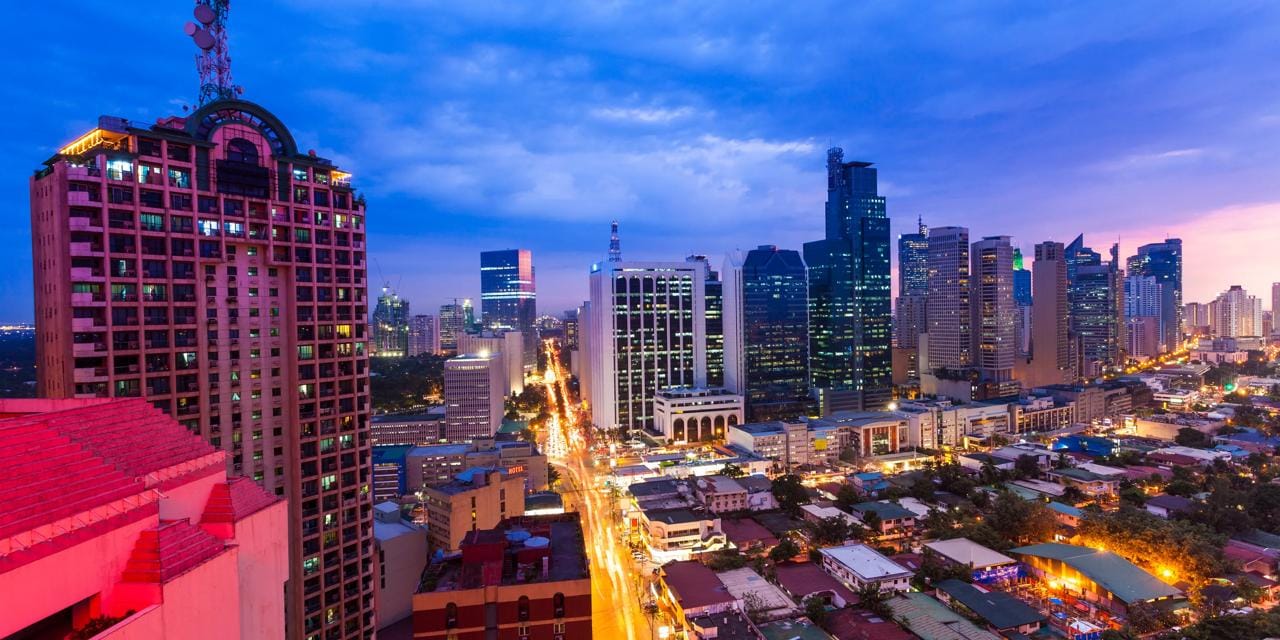
Metro Manila
Key Areas: Makati, BGC (Bonifacio Global City), Ortigas, Quezon City
The primary IT hub of the Philippines, Metro Manila hosts the majority of the country's tech companies, BPO centers, and startup incubators. BGC and Makati are particularly known for their modern office buildings housing multinational IT corporations.
- Largest concentration of IT companies
- Home to most Fortune 500 tech offices
- Extensive BPO operations
- Vibrant startup ecosystem
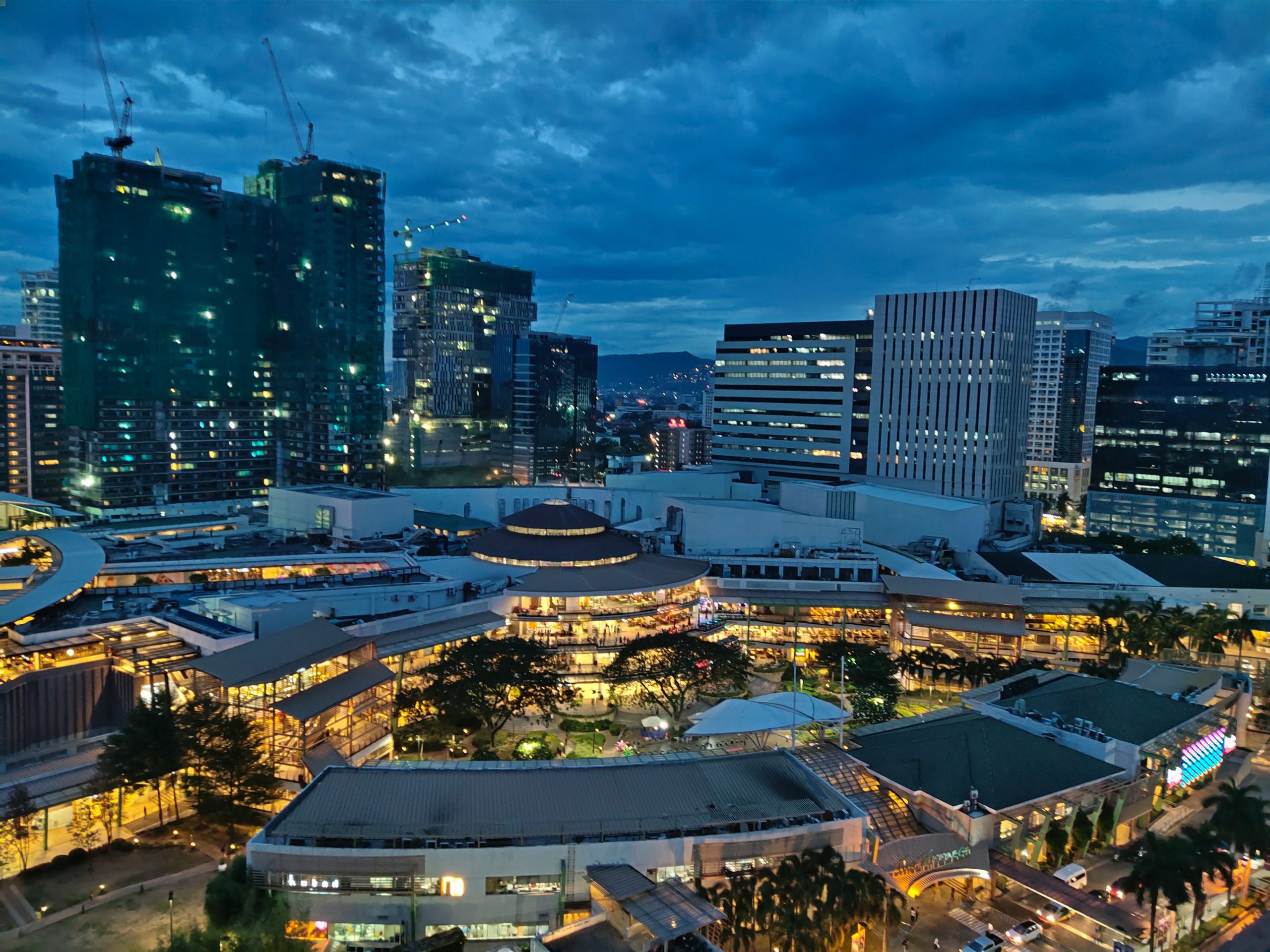
Cebu
Key Areas: Cebu IT Park, Cebu Business Park
Known as the "Queen City of the South," Cebu is the second-largest IT hub in the Philippines. The Cebu IT Park is a 24-hectare complex housing numerous IT and BPO companies, making it a significant contributor to the region's economy.
- Second-largest BPO destination
- Lower operational costs than Manila
- Growing tech startup scene
- Strong English proficiency
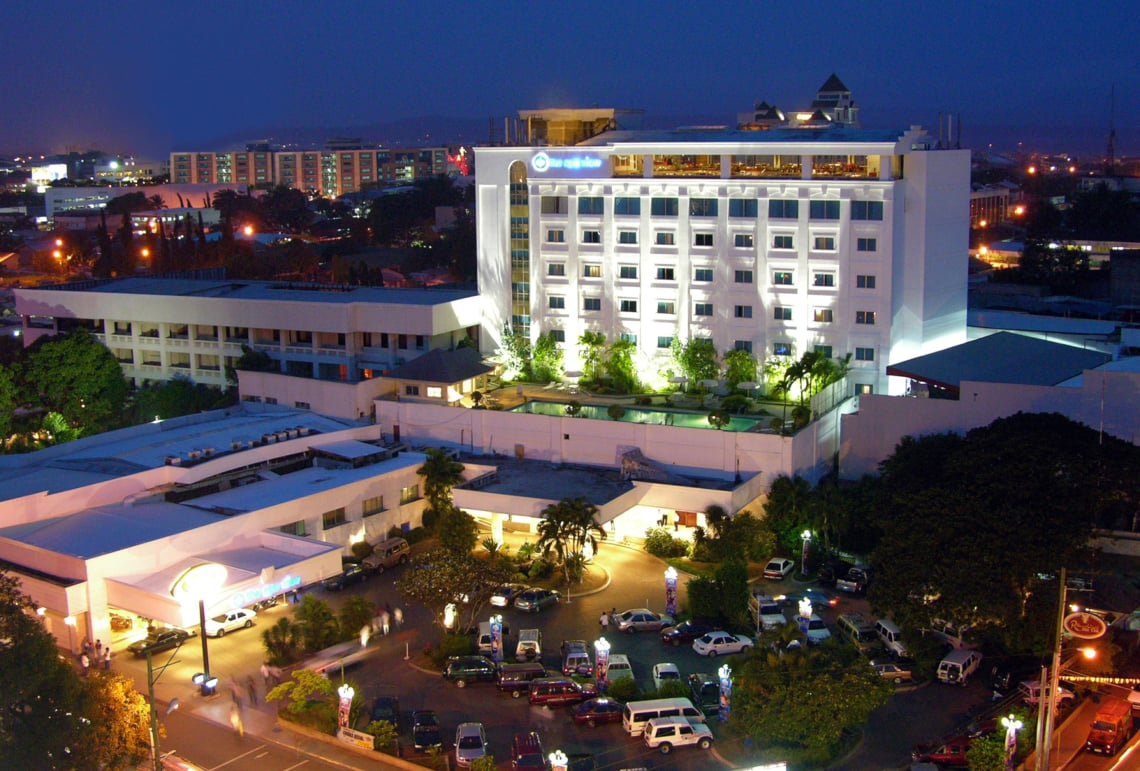
Davao City
Key Areas: JP Laurel Avenue, Damosa IT Park
The largest city in Mindanao, Davao is rapidly becoming an important IT hub. The city offers a peaceful environment, good infrastructure, and government support for IT investments, attracting both local and international companies.
- Emerging IT and BPO destination
- Safe and livable city
- Government incentives for IT companies
- Growing talent pool from local universities
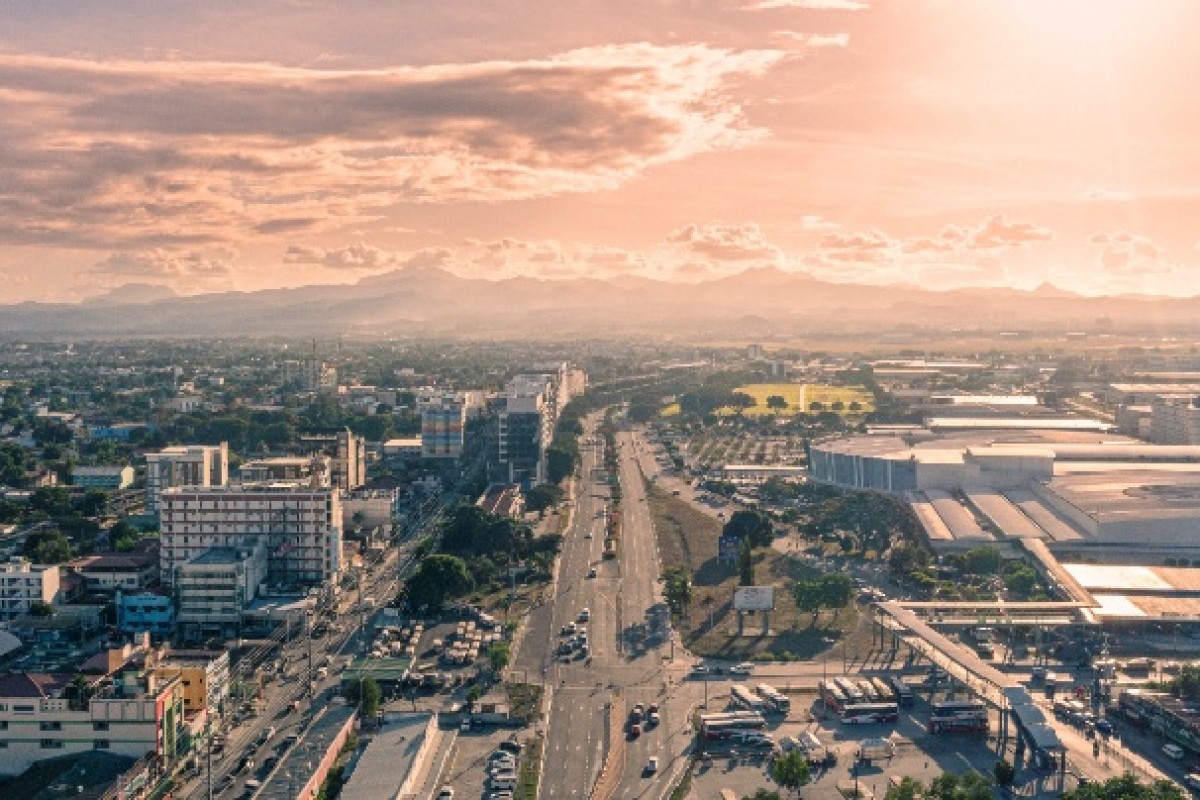
Clark Freeport Zone
Location: Pampanga
A former US military base transformed into a special economic zone, Clark offers tax incentives and modern infrastructure. It's becoming an attractive alternative to Metro Manila with less congestion and competitive operational costs.
- Special economic zone benefits
- Modern infrastructure
- Strategic location near Manila
- Growing aviation and IT sectors
Business Process Outsourcing (BPO) Industry
The Philippines is one of the world's leading BPO destinations, competing with India for the top spot. The BPO industry has become a major economic driver for the country.
BPO Industry Highlights
| Metric | Value | Impact |
|---|---|---|
| Revenue (2024) | $32+ Billion | Significant contribution to GDP |
| Employment | 1.5+ Million | Major source of jobs for college graduates |
| Global Market Share | ~15% | Second-largest BPO destination globally |
| Growth Rate | 8-10% annually | Sustained industry expansion |
Key BPO Services
Customer Service
Call centers providing 24/7 support for global clients across various industries.
Technical Support
IT helpdesk, software troubleshooting, and technical assistance services.
Back Office Operations
Data entry, accounting, HR services, and administrative support.
Knowledge Process Outsourcing
Software development, data analytics, research, and specialized services.
Startup Ecosystem and Innovation Centers
The Philippines has a growing startup ecosystem supported by incubators, accelerators, and innovation hubs that foster entrepreneurship and technological innovation.
QBO Innovation Hub
Location: Manila
A DTI-supported incubator providing workspace, mentorship, and resources for Filipino startups. QBO has helped launch numerous successful tech companies.
IdeaSpace Foundation
Focus: Tech Startups
An accelerator program offering funding, mentorship, and training to early-stage Filipino startups in technology and innovation.
Kickstart Ventures
Type: Venture Capital
The corporate venture capital arm of Globe Telecom, investing in and supporting Philippine startups in various tech sectors.
A Space Manila
Type: Co-working & Events
A community hub for entrepreneurs, freelancers, and startups, offering workspace and hosting tech events and workshops.
Government Initiatives Supporting IT Growth
The Philippine government has implemented various programs and policies to strengthen the IT industry and position the country as a global technology leader.
- Department of Information and Communications Technology (DICT): Government agency dedicated to ICT development, implementing programs for digital infrastructure and e-government services.
- Philippine Digital Economy Report 2030: National strategy aiming to increase the digital economy's contribution to GDP and improve digital infrastructure nationwide.
- Free Public WiFi Program: Initiative to provide internet access in public places, improving connectivity for citizens and supporting digital literacy.
- Innovation and Technology Support Offices (ITSOs): Regional offices providing support for technology startups and innovation projects across the country.
- Tax Incentives for IT Companies: Special economic zones and IT parks offer tax holidays and reduced tax rates to attract investments.
- ICT Skills Development Programs: Training programs to develop Filipino talent in programming, cybersecurity, data science, and other in-demand IT skills.
Advantages of the Philippine IT Hub
English Proficiency
The Philippines has one of the highest English proficiency rates in Asia, making it ideal for international business and customer service operations.
Young, Educated Workforce
Large pool of college-educated young professionals with strong technical skills and adaptability to new technologies.
Cultural Compatibility
Filipinos are known for their hospitality, cultural affinity with Western markets, and ability to work effectively with international teams.
Cost-Effectiveness
Competitive labor costs and operational expenses compared to other Asian countries, without compromising quality.
Time Zone Advantage
Strategic time zone position allows for 24/7 operations, serving both Western and Asian markets effectively.
Government Support
Strong government backing through incentives, infrastructure development, and favorable business policies for IT investments.